Why a Good Office Chair Should Move With You

There is nothing wrong with trying to sit well, but the reality is that nobody sits perfectly still all day. We move. We lean forward. We recline. We shift from side to side. We sit upright for a while, then slowly drop back into the chair without even thinking about it.
That is not bad behaviour. That is just how the body works.
The real question is whether your chair supports you when you move, or whether it only feels comfortable in one position.
We Are Not Designed to Sit Still All Day
If you watch someone working at a desk, they will usually change position constantly. They might lean forward while writing notes or concentrating on a task. They might sit more upright when typing. They might recline slightly when reading from a screen, talking on the phone or thinking through a problem. This is normal.
The issue is that many office chairs are not designed around how people actually sit. They might look ergonomic, but once the person reclines, the lower back loses contact with the backrest. Or the seat tilts in a way that makes the person slide forward. Or the arms are no longer supported properly once the person changes position. That is where discomfort starts to build.
A good ergonomic chair should not make you sit in one fixed position all day. It should allow you to move and still feel supported.
Movement Matters
Small movements during the day are important. When we shift position, our muscles are not loaded in exactly the same way all the time. It helps reduce stiffness, improves comfort and takes pressure off the same areas of the body. That is why the idea of one "perfect" sitting posture is a bit misleading. There is no single posture that works for eight hours.
A better way to think about it is this: your chair should support a range of good positions. You should be able to sit forward, sit upright, recline a little, and move between those postures without losing support.
The Main Sitting Positions at Work
Most people move between a few common sitting positions during the day.
When we are writing, reading paperwork or working closely at the desk, we often sit forward. This is fine for short periods, but if the chair does not support the pelvis and lower back, the body often starts to round forward. The shoulders drop, the neck bends, and pressure builds through the upper back.
For computer work, most people sit slightly reclined. This is often a more comfortable working posture because the backrest can take some of the load. The key is that the chair needs to keep supporting the user as they move back. If the backrest does not follow the body properly, the support is lost.
Then there is the more relaxed reclined position. People often use this when reading, talking, thinking or taking a short break from focused work. Reclining is not a bad thing. In fact, being able to recline properly can be useful during a long workday, provided the chair keeps the body supported.
The problem is not movement. The problem is unsupported movement.
Lumbar Support Is Important, But It Is Not Everything
When people talk about ergonomic chairs, they often focus on lumbar support. Lumbar support does matter, but it is only one part of the picture.
The position of the pelvis is just as important. When the pelvis rolls backwards, the lower back tends to flatten or slump. Once that happens, the rest of the posture usually follows. The upper back rounds, the shoulders come forward, and the head starts to drop toward the screen.
That is why a chair needs to support more than just the lower back. It should help create a stable base through the seat, pelvis and backrest. A large lumbar pad on its own does not automatically make a chair ergonomic. The whole chair needs to work with the body.
Too Many Levers Can Be a Problem Too
Some chairs come with a long list of adjustments.
Seat height. Seat depth. Back angle. Tilt tension. Lumbar height. Arm height. Arm width. Tilt lock. All of these can be useful, but only if the person actually knows how to use them. In most workplaces, people adjust the chair height and that is about it. In shared offices and hot-desking environments, it is even more common for chairs to be left in the wrong position.
So, the best chair is not always the one with the most levers. A good chair should be easy to use. It should move naturally with the person, without needing constant adjustment every time they change posture. The chair should make sitting well easier, not more complicated.
What Happens When the Chair Does Not Support Movement?
When a chair does not move properly with the user, small problems start to show up.
- The lower back loses support.
- The person slides forward in the seat.
- The shoulders start doing more work.
- The arms are no longer supported.
- The neck bends forward toward the screen.
- The person keeps shifting around, trying to get comfortable, but never quite gets there.
- Over a full workday, these small issues can become fatigue, stiffness and discomfort.
This is why it is important to look beyond whether a chair simply "looks ergonomic". The real test is how it performs when the person is actually using it.
What to Look For in an Ergonomic Chair
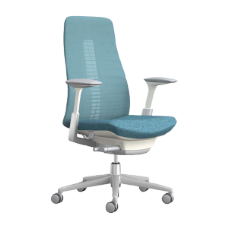
A good ergonomic chair should allow the user to move through the day while staying supported.
You should be able to sit upright without feeling forced. You should be able to recline without losing contact with the backrest. Your lower back and pelvis should feel supported. Your feet should stay comfortably on the floor or on a footrest. Your arms should be supported when typing or using the mouse. The chair should also work with the rest of the workstation.
Even the best chair will not solve everything if the monitor is too low, the desk is too high, or the keyboard and mouse are too far away. Good ergonomics is about the whole setup working together.
The Aim Is Comfort, Support and Movement
At Ergonomics 101, we do not believe people should be forced into one rigid sitting position. The aim is to support the body properly while allowing natural movement throughout the day. A good office chair should help you sit better without making you think about it constantly. It should support the lower back, encourage a better pelvic position, allow you to recline comfortably and keep you connected to your work.
Because people do not sit like statues.
They move, lean, reach, type, think and shift position all day. The right chair should move with them.