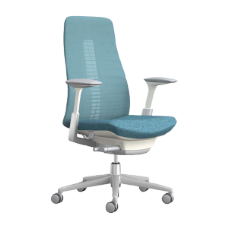
VELA Activty / Mobility Chair
Supporting Independence at Home
Most people do not wake up one morning needing a piece of equipment. More often, the change is gradual.
It might start with needing to push harder through the arms to stand up. Feeling less steady when turning at the kitchen bench. Avoiding the laundry because it involves too much bending and reaching. Sitting down halfway through preparing a meal because standing for that long is simply too much.
Over time, those small changes can reduce confidence. Tasks that once felt automatic become planned, delayed or avoided. For families and clinicians, that is often the point where seating deserves closer attention.
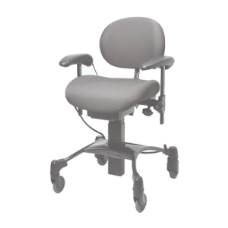
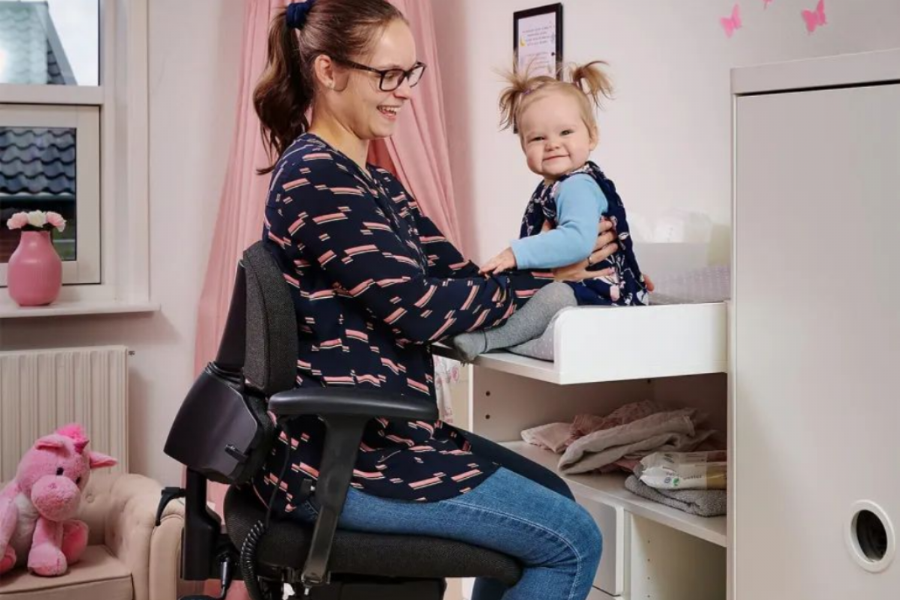
A VELA Activity Chair is not simply a comfortable chair on wheels. It is designed as an activity chair: a stable, height-adjustable seating and mobility aid that can support safer sit-to-stand transfers, seated movement around the home, task positioning and fatigue management.
For people searching for a VELA Chair in Melbourne or an Activity Chair in Victoria, Ergonomics 101 (NDIS accredited) provides home visits, trials, product guidance and configuration support across Melbourne and regional Victoria.
Why an Activity Chair Is Different From a Standard Chair
A standard dining chair, office chair or recliner is usually designed for sitting. A VELA chair is designed for doing.
That distinction matters. Many daily tasks at home require a person to move between sitting, standing, reaching, turning, leaning, preparing, washing, sorting, working and transferring. When the chair does not move with the person, the body has to compensate.
A VELA Activity Chair is built around four practical ideas:
· Stability: a central brake allows the chair to become a secure base when the user is transferring or completing a task.
· Height adjustment: the seat can be raised or lowered to better match the activity, whether that is a kitchen bench, table, vanity, desk, dishwasher drawer, and lower kitchen drawers.
· Seated mobility: large, smooth-running wheels and foot clearance allow many users to "walk" the chair around indoors while seated.
· Individual specification and configuration: seat size, back support, armrests, foot support, brake options and accessories including power assisted wheels (if required) can be matched to the person and the environment.
This is why VELA chairs are commonly discussed in relation to kitchens, personal care, hobbies, study, desk work, rehabilitation, fatigue management and safer transfers - not only "sitting comfort".
A Global Product With a Local Trial Process
VELA is a Danish, family-owned seating manufacturer with a long history in ergonomic and activity chair design. They are the world leaders in this type of mobility/ activity seating and have decades of experience in this field. Internationally, VELA chairs are promoted for similar reasons across multiple markets: safer indoor activity, height adjustment, central braking, fatigue management and independence at home, school or work.
Looking across VELA's own website and international suppliers in Australia, New Zealand, the United Kingdom, Ireland, the United States and Canada, the message is consistent: the chair is intended to support functional activity, not just passive sitting.
That global consistency is useful, but it does not replace local assessment. A chair that works well in one person's kitchen may not suit another person's flooring, hallway width, table height, transfer technique or fatigue pattern. This is why the Ergonomics 101 process places such importance on home trials and practical adjustment in the actual environment, usually in conjunction with an Occupational Therapist.
Standing Up Should Not Be the Hardest Part of the Day
One of the most important daily movements is also one of the easiest to underestimate: standing up from a chair.
When the seat is too low, unstable or poorly positioned, the person often compensates without realising it. They may lean further forward, push harder through the arms, rock to build momentum or place more load through the knees and hips. If balance, strength, pain, vision or confidence is already affected, that moment can feel unsafe.
Seat height and arm support can make a real difference to the effort required during sit-to-stand. The VELA concept addresses this by combining stable armrests, a braking system and variable height adjustment ranges. For many users, the seat can be raised to a more supportive height before standing, reducing the need to "launch" out of the chair.
This does not remove the need for assessment. The right height, armrest setup and transfer method should be tested with the person, and ideally with input from their occupational therapist or physiotherapist. But when configured well, the chair can make transfers feel more controlled and less exhausting and above all much safer.
The Brake Is a Major Part of the Design
A normal office chair can roll away at exactly the wrong moment. That might be inconvenient in an office; at home, for someone with reduced balance or strength, it can be a serious risk.
The central brake is one of the key differences in VELA design along with the non-rotational base. When applied, the chair becomes a stable working base in movement and rotation compared to a normal chair. This matters during:
· standing up and sitting down
· meal preparation at a bench
· using knives, hot drinks or cookware
· washing hands or grooming at a vanity
· reaching into cupboards or drawers
· desk work, craft, sewing or other two-handed activities
The practical benefit is that the user can often have both hands available for the task rather than constantly using one hand to steady themselves against the bench, wall or furniture.
Managing Fatigue: Doing More With the Energy Available
Fatigue is not laziness, and it is not simply being tired. For many people living with neurological conditions, chronic pain, arthritis, reduced endurance, ageing-related changes or disability, energy is a limited daily resource.
Repeated transfers, short walks between rooms, unsupported standing and poor posture all draw from the same reserve. By late afternoon, the reserve may be depleted.
A VELA Activity Chair can support energy conservation by reducing how often a person needs to stand, walk, turn and reposition during routine tasks. It can also allow tasks to be completed at a more suitable height, rather than forcing the person to bend, reach or stand for longer than is safe or comfortable.
The goal is not to stop people moving. The goal is to make movement more sustainable. A well-prescribed activity chair should help a person use their energy on the task that matters - cooking, washing, working, studying, parenting, socialising or participating - rather than spending most of that energy simply getting into position.
Where a VELA Chair Can Help Around the Home
A good trial should test the chair against real routines, not just a showroom floor. Common areas include:
Kitchen and meal preparation
The kitchen is often where the need becomes most obvious. Preparing food involves standing, reaching, turning, carrying, washing, chopping and managing heat. A VELA chair can allow the user to sit at bench height, brake the chair for stability and move between selected areas while seated. It may support safer participation in tasks that would otherwise be avoided or handed over to someone else.
Bathroom and personal care
The bathroom introduces extra considerations: space, floor surfaces, wet areas, turning room and transfer safety. In some situations, a VELA chair may assist with seated grooming, handwashing or positioning at a vanity. It is not a shower chair and should not be assumed suitable for wet areas. The home trial should be clear about where the chair will and will not be used.
Laundry and household tasks
Laundry tasks often involve low cupboards, baskets, machines, sorting and repeated bending. Height adjustment and seated mobility may reduce strain, particularly where tasks can be reorganised around safer reach zones.
Desk work, study and hobbies
VELA chairs are also relevant for work and study. For someone who fatigues, has reduced postural endurance or needs a secure base to work with both hands, the chair can provide adjustable support while still allowing activity. This can be useful in home offices, study areas, craft spaces, sewing, art, music and other seated tasks.
Dining, social participation and routine
Independence is not only about "essential" tasks. Being able to sit at the table, make a cup of tea, help prepare food or move between rooms can have a large impact on confidence and family life. These smaller moments are often what families notice most.
Power Wheels: Helpful, But Not the Same as a Powered Wheelchair
The optional Power Assisted Wheels system is one of the more recent important developments in the VELA range. It is designed for people who may not always have enough strength or endurance to "walk" the chair manually throughout the day.
With Power Assisted Wheels, the user can activate powered assistance and use a joystick to help manoeuvre the chair indoors. This can be particularly useful when fatigue fluctuates: the person may be able to move the chair manually at one time of day, then use powered assistance later when energy is lower.
It is important, however, to describe this accurately. Power Wheels are intended to assist movement of the activity chair. They are not a replacement for a powered wheelchair, and suitability depends on the person, the flooring, the layout and the intended use.
During a home trial, the following should be checked carefully:
· flooring type, including carpet, tiles, vinyl, timber and rugs
· thresholds and small level changes between rooms
· turning circles in kitchens, bedrooms, hallways and study areas
· access to charging and where the charger will be stored
· whether the user can safely operate the joystick and brake
· whether Power Wheels support the goal better than manual movement alone
Choosing the Right VELA Configuration
The chair is not a one-size-fits-all product. The configuration matters as much as the model.
Key decisions usually include:
· manual or electric height adjustment
· seat size and depth
· Active versus Contour seating and back support
· armrest height, width and whether dropdown armrests are needed
· brake position and whether a brake extender or electric brake is appropriate
· foot support options, especially where the user sits higher or has limited lower-limb control
· whether Power Assisted Wheels are clinically and practically appropriate
· whether the person's weight, movement pattern and support needs indicate a larger or bariatric model
The right setup should allow the person to sit well, reach safely, apply the brake, move appropriately, transfer with more control and complete their chosen tasks without creating new risks.
Why a Home Trial Matters More Than a Showroom Test
A showroom trial can show whether the chair is comfortable. A home trial shows whether it works in the intended environment.
The difference is important. A person may sit well in a showroom but have trouble turning through a narrow hallway, reaching their kitchen bench, clearing a dining table, managing floor transitions or transferring in the bedroom.
During an Ergonomics 101 home trial, the chair can be tested against the person's actual daily routine. This may include:
1. standing up from the chair and sitting back down
2. moving from the kitchen to the dining area
3. braking at the bench and working with both hands
4. adjusting height for a desk, table or vanity
5. turning in hallways and smaller rooms
6. checking flooring, mats, thresholds and charger access
7. reviewing posture, arm support and seating comfort
8. discussing whether the setup meets the person's goals and the referrer's clinical reasoning
This practical process is especially important for occupational therapists, physiotherapists, case managers and support coordinators who need to justify why a particular chair and configuration is appropriate.
What Families Are Really Looking For
Most families are not looking for "equipment" as such. They are looking for a way to make daily life feel safer, calmer and more manageable.
The common goals are usually simple:
· fewer near-falls and less fear of falling
· less strain during transfers
· more confidence moving around indoors
· more energy left at the end of the day
· greater participation in meals, hobbies, study or work
· less reliance on family or carers for every small task
· peace of mind that the solution has been tested in the real home environment
A VELA Activity Chair can support those goals when it is matched properly to the person, the home and the task. It is not about replacing movement. It is about enhancing everyday movement to be safer, more controlled and more sustainable.
VELA Chair Melbourne - Book a Home Trial
If you are exploring a VELA Chair in Melbourne or an Activity Chair in Victoria, Ergonomics 101 can assist with:
· home visits across Melbourne and regional Victoria
· trials with a trained product specialist
· collaboration with occupational therapists, physiotherapists and support teams
· practical testing in the kitchen, dining, bedroom, study and living areas
· personalised configuration of seating, braking, arm supports and accessories
· guidance around Power Wheels where additional mobility support may be required
· ongoing support after supply
Seeing how the chair performs in your own home often provides the clarity needed to make a confident decision.
To arrange a VELA chair trial in Melbourne or Victoria, contact Ergonomics 101 and speak with our team about your goals, home layout and current support needs.
Frequently Asked Questions
Is a VELA chair the same as an office chair?
No. It may look similar at first glance, but a VELA Activity Chair is designed for functional activity. The braking system, height adjustment, seating options and indoor mobility features are what set it apart from a standard office chair.
Is it a wheelchair?
No. A VELA chair supports indoor seated activity and movement. The Power Wheels option can assist with moving the chair, but it is not intended to replace a powered wheelchair.
Who might benefit from a VELA Activity Chair?
It may be considered for people who have reduced balance, reduced endurance, fatigue, pain, neurological conditions, difficulty standing for long periods, or difficulty completing everyday tasks safely while standing.
Can it be used in the kitchen?
Yes, the kitchen is one of the most common areas tested during a home trial. The chair should be assessed for bench height, flooring, turning space, braking, safe reach and task setup.
Do I need an OT or physiotherapist involved?
In many cases, yes. Clinical input is valuable when the chair is being considered for safety, independence, funding, transfers, fatigue or complex home environments.
Why is a home trial important?
Because the chair needs to work in the real environment. Floor surfaces, tables, benches, doorways, hallways, thresholds, transfer points and user confidence all affect suitability.