How to Support Your Back Every Day
How to Support Your Back Every Day If You Are Managing Chronic Pain While Working
Did you know that your everyday habits have a huge impact on developing chronic back pain as you age? Luckily, there are several things you can do each day to help lower your risks of developing chronic back pain and having aches and discomfort at the end of the day.
Back Exercises and Stretches Help Support Your Spine
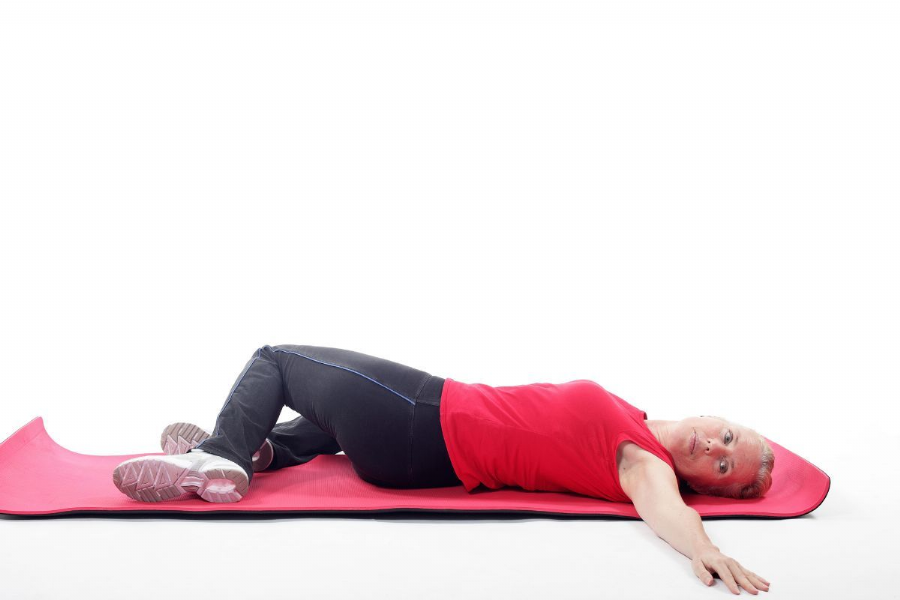
Stretches and exercises that are specifically designed to target your back muscles can help reduce your chronic back pain. They help to improve your back muscles' endurance and strength, and this allows for better spine support. Also, by improving your flexibility levels, you can increase your spine's range of motion to help it function better. The end goal is to increase how tolerant your back muscles are of both dynamic and static activities while ensuring strong blood flow for good tissue nutrition and hydration.
There are several stretches and exercises that target your lower back and the supporting muscles that can impact your lumbar spine's flexibility and strength. You can make an appointment with your GP or physiotherapist to figure out which exercises will work best for your needs. In many instances, it's vital to learn how to exercise correctly and how often and long each session should be with direct medical professional supervision, then you can continue doing them at home or work on a long-term basis.
Consider Engaging in Low-Impact Aerobic Activity Regularly
Aerobic exercises are a fantastic way to work your muscles while helping to reduce back pain. Along with helping ensure that your tissue gets proper blood flow and helping to strengthen all your muscles to provide better spinal support, low-impact aerobic exercises offer:
- Increased chances of keeping your day-to-day functionality
- Decreased lumbar spine stress through weight loss
- Decreased pain levels due to the release of endorphins to fight the discomfort
There are several options available to help you engage in aerobic exercises, including using a cross trainer, riding an exercise bike, walking, or moving around in the pool. Water therapy is a great option if you have trouble with the exercise bike or walking because it removes the weight and stress from your back and joints.
You can start off with short five-minute sessions of low-impact exercises each day, and you'll take a few weeks to slowly build up to 30 to 45 minutes every day, four or five times a week. Just remember to go over this plan with your physical therapist or doctor before you start any new exercise programs.
Support Your Spine While You Sit and Work
When you compare it to standing, sitting all day at a desk puts a large amount of stress on your discs and spine as a whole. So poor posture habits, like slouching forward, and prolonged sitting can make your back pain worse. The following four tips can help you get in the habit of supporting your lower back each time you sit down:
- Bend your knees at 90° with feet flat on the ground. You may need to slowly adjust your seat height so that your hips are either the same height or a little bit higher than your knees when you sit down. This will help reduce the strain on your spine. If your chair is too tall, you can use a footrest.
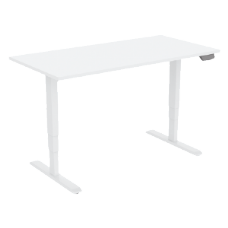
- Consider an alternative office setup. Using a standing desk for a few hours each day can help you get some relief from your back pain. Also, remember to get up and move every 30 to 60 minutes to reduce muscle fatigue and get the blood flowing.
- Don't slouch forward. You want to sit up straight so your ears are right above your shoulders. When you sit down to work at the computer, adjust the height of your monitor so that your eyes naturally go to the top ⅓ of the screen when you look straight.
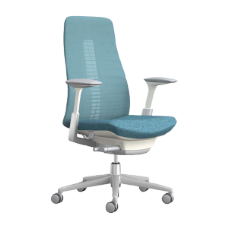
- Get lumbar support. If you look at your chair, you should see a natural curve for your lumbar spine to fit into. If your chair doesn't have this curve, you may want to put a cushion or roll up a towel and put it between the chair and your lower back. When you get it in place, sit all the way back in your chair so it supports your spine.
While practising good posture and trying a few low-impact exercise routines a few times a week may not seem like you're doing a lot, they help build up the support your lower back needs. In turn, it can help reduce or alleviate your lower back pain.